Sense
Collect soil, weather, device and zone differences to read real conditions.
For courtyards and balconies, the system senses first, then decides whether to irrigate, which zone first, and how much water to apply.
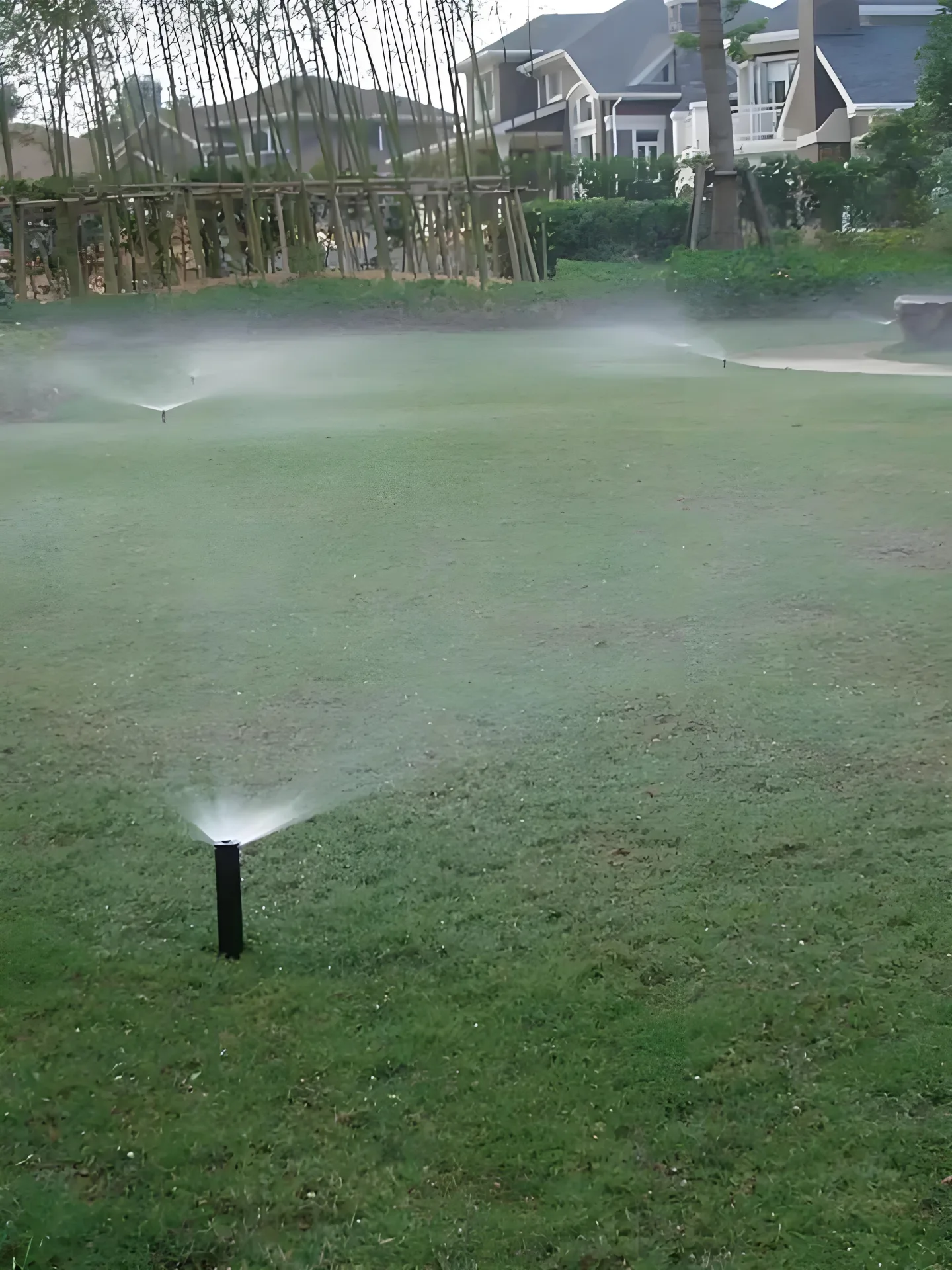
Home irrigation should fit the real yard: lawns, flower beds, shrubs, and seasonal weather changes all need different watering responses.
Collect soil, weather, device and zone differences to read real conditions.
Decide whether to irrigate, how much water to use, and which zone first.
Trigger valves and zone devices, then feed results back continuously.
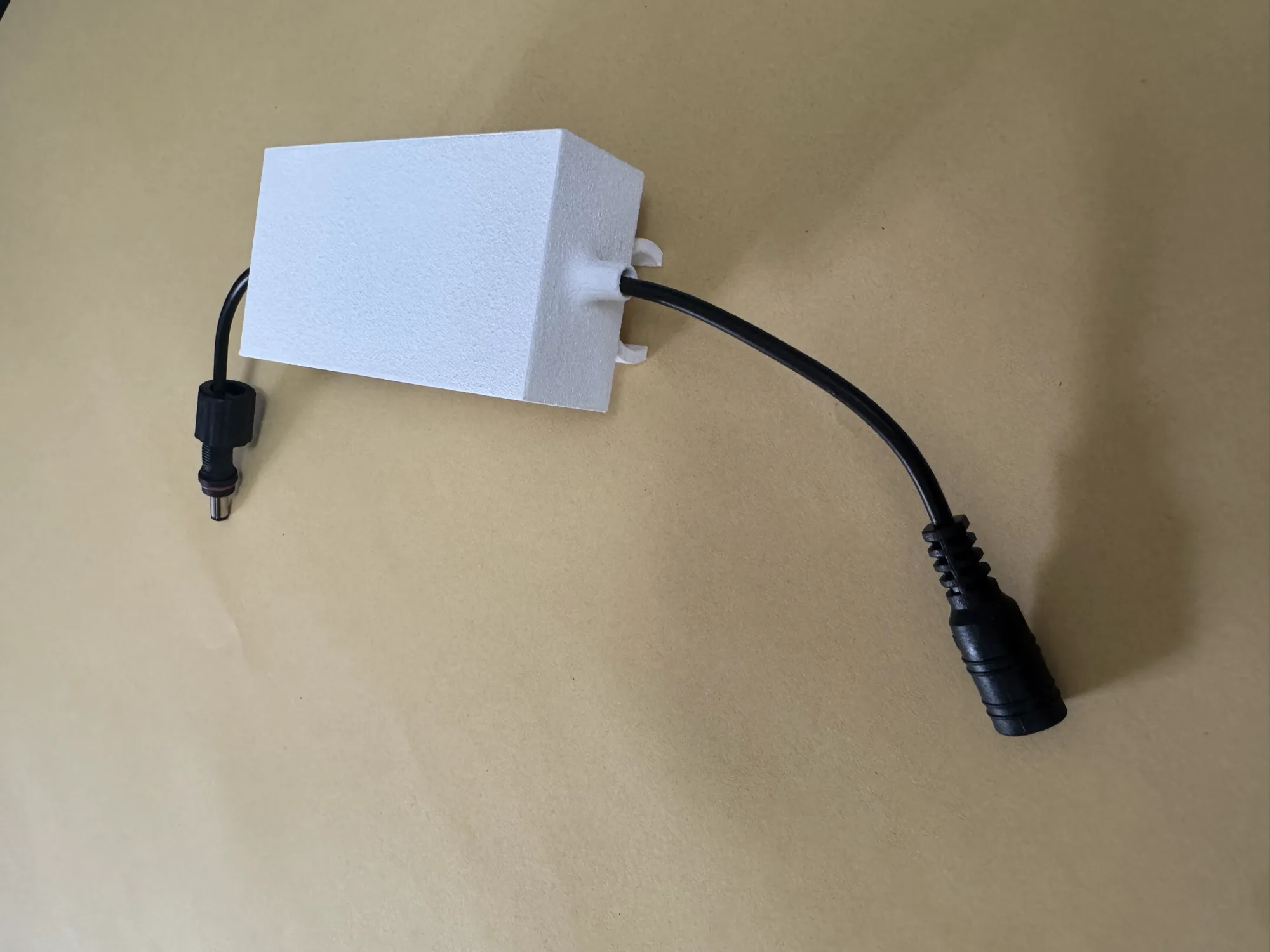
The main controller is the core control node, connecting both power input and the solenoid valve execution side.
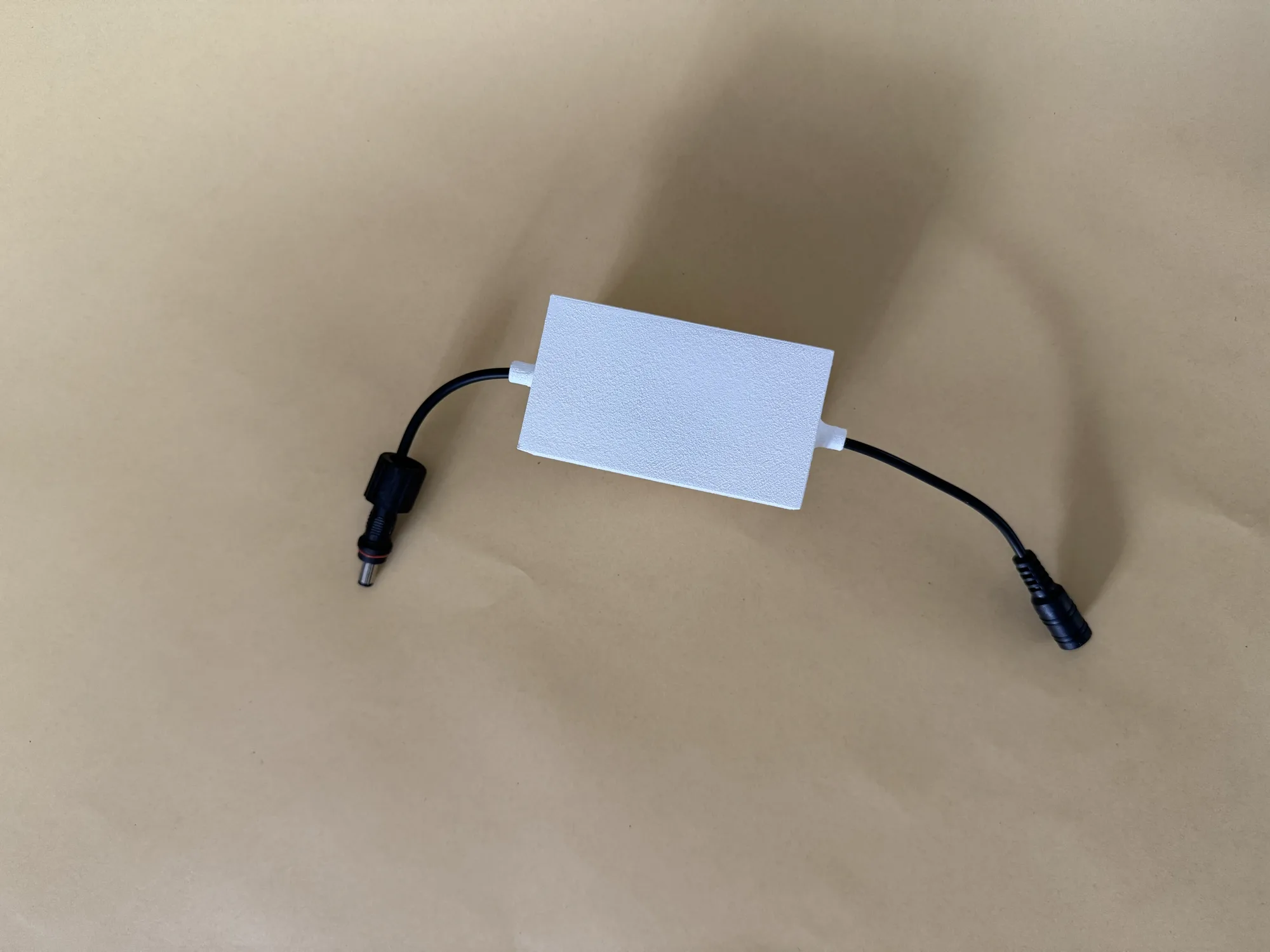
This real photo shows the side housing and cable interfaces, making installation direction easier to identify.
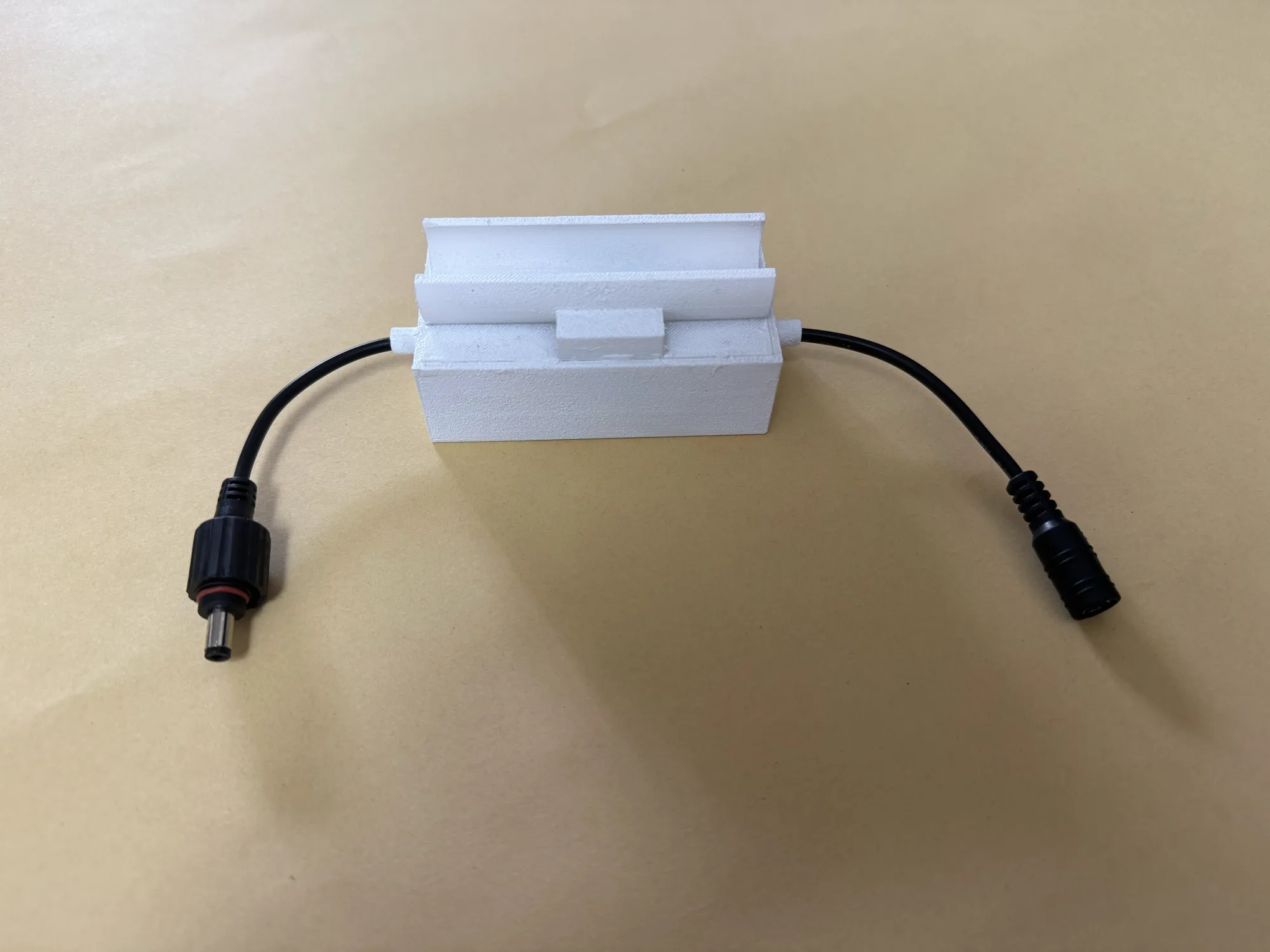
The top slot is designed for pipe-position mounting, enabling quick home installation and easier maintenance.
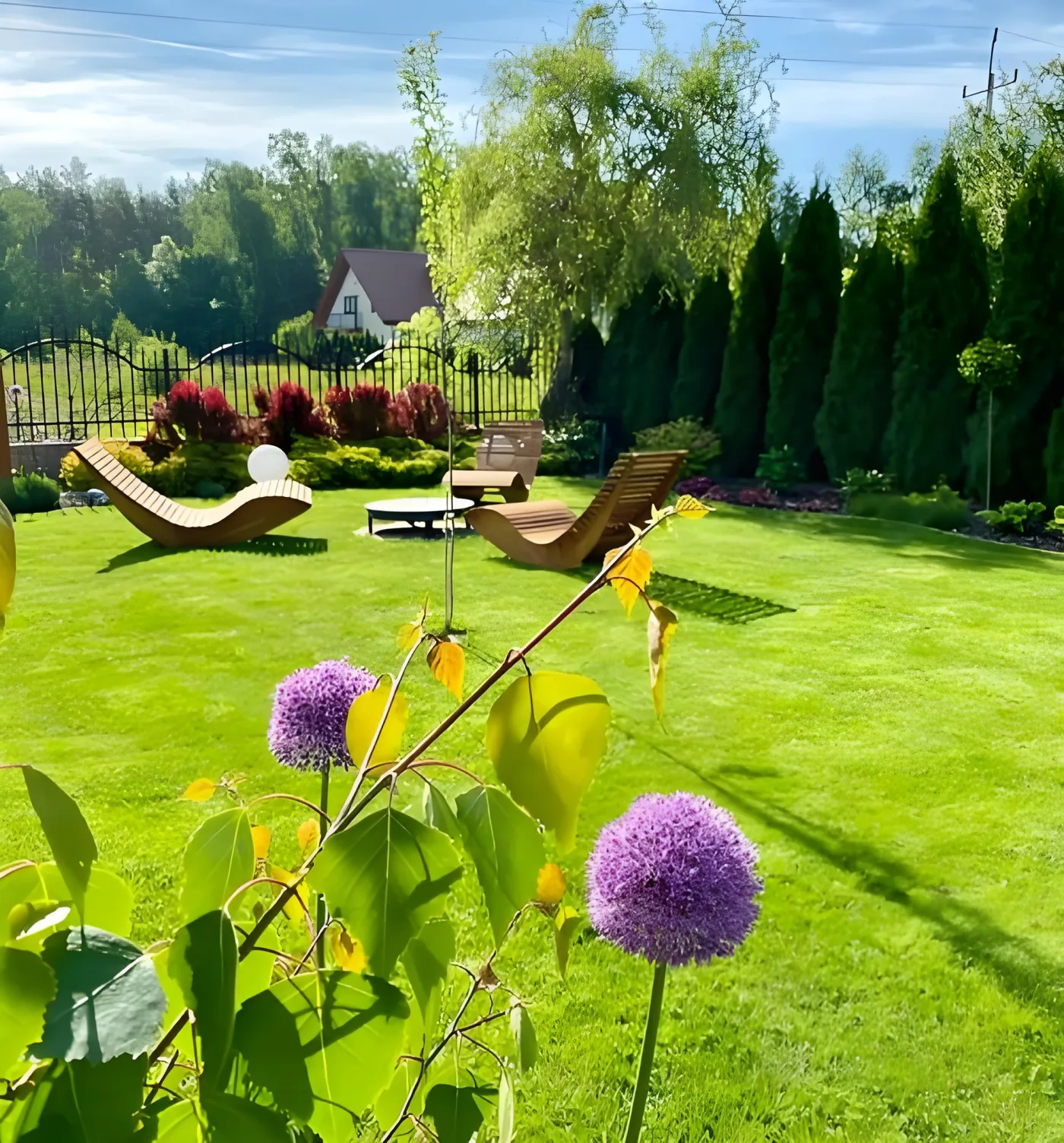
This is the end result users care about: greener lawns, tidier landscape edges, and a yard that stays stable through routine seasonal watering.
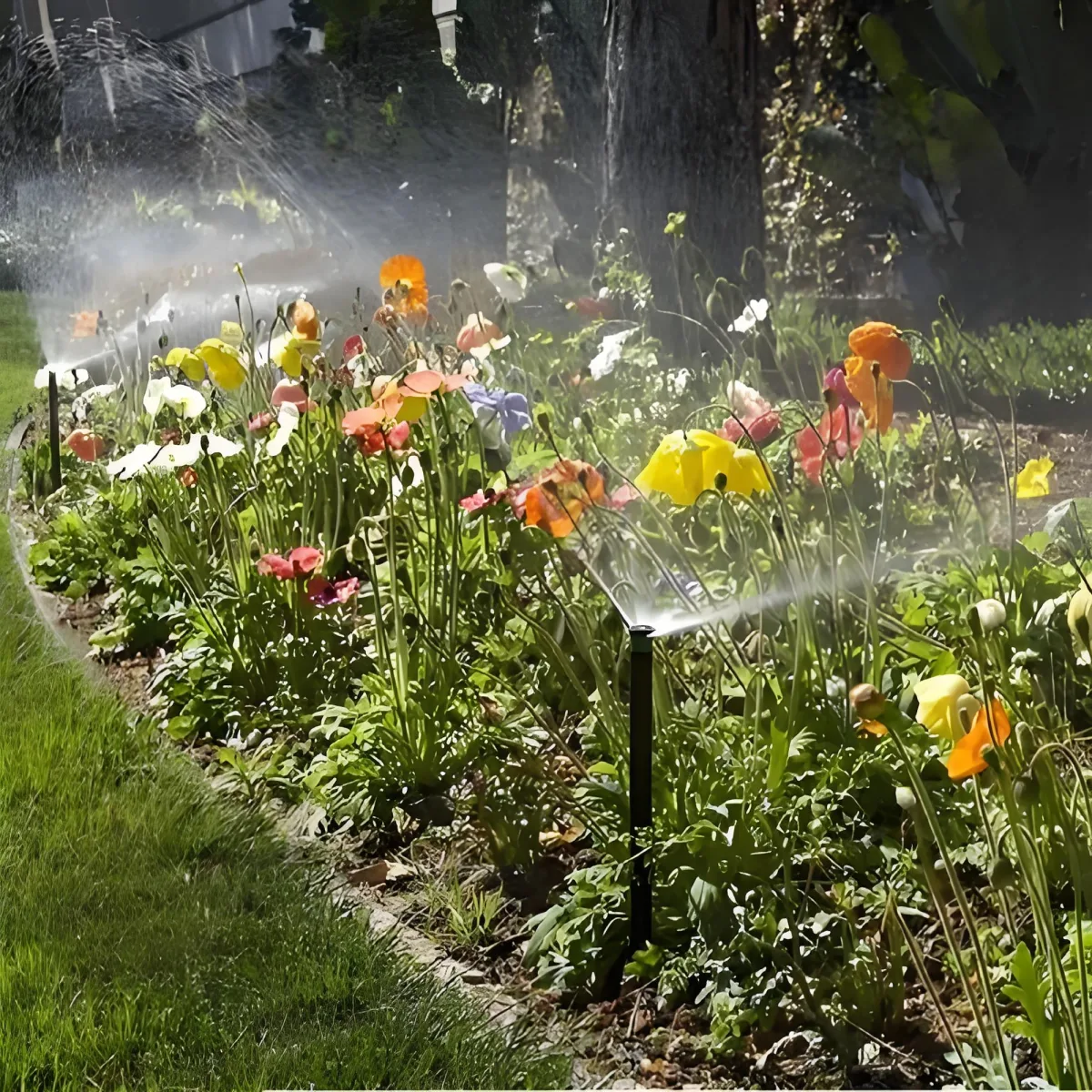
Suitable for flower borders and ornamental planting that need lighter and more frequent watering rhythm.
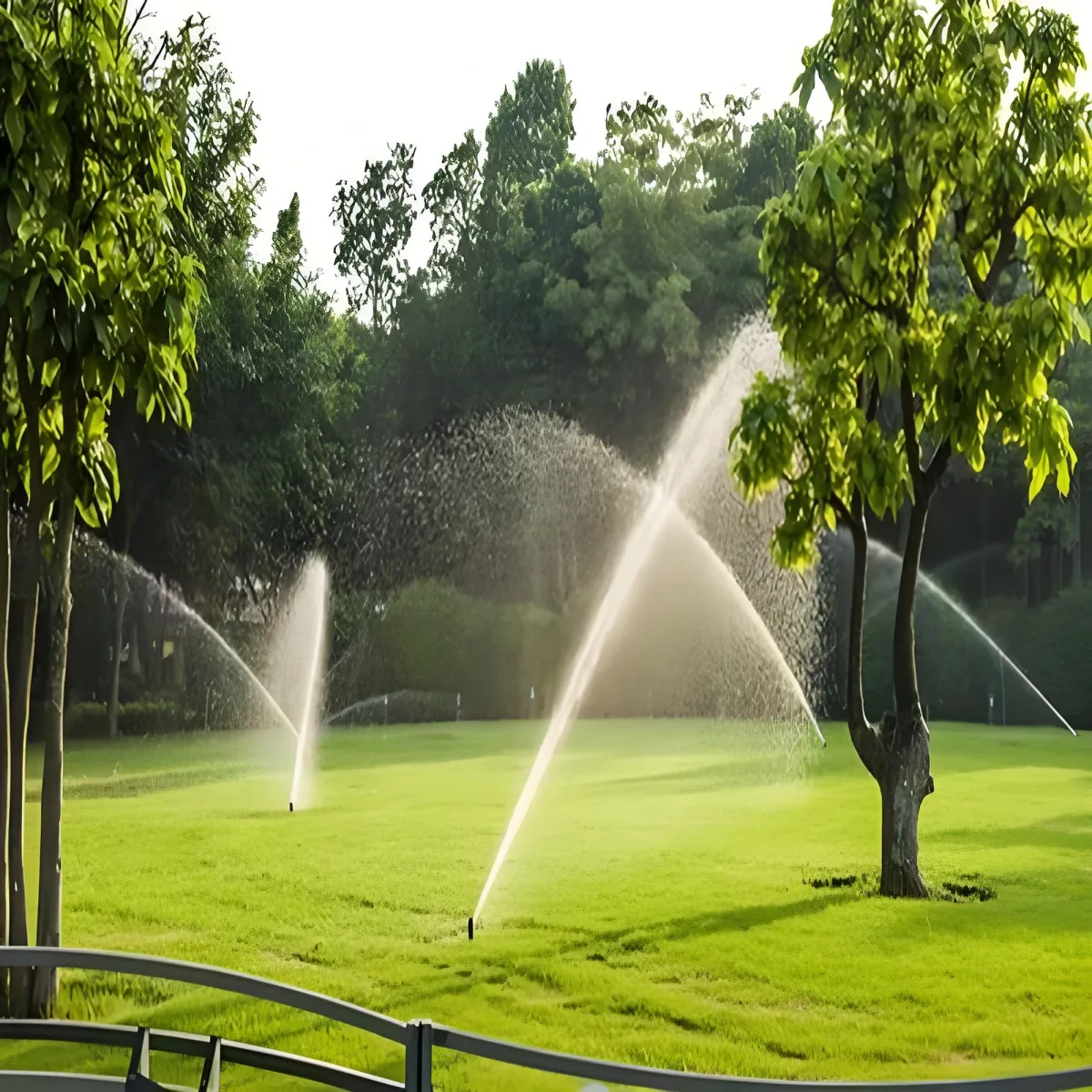
For larger grass areas, sprinkler layout can deliver more even coverage and clearer watering zones.
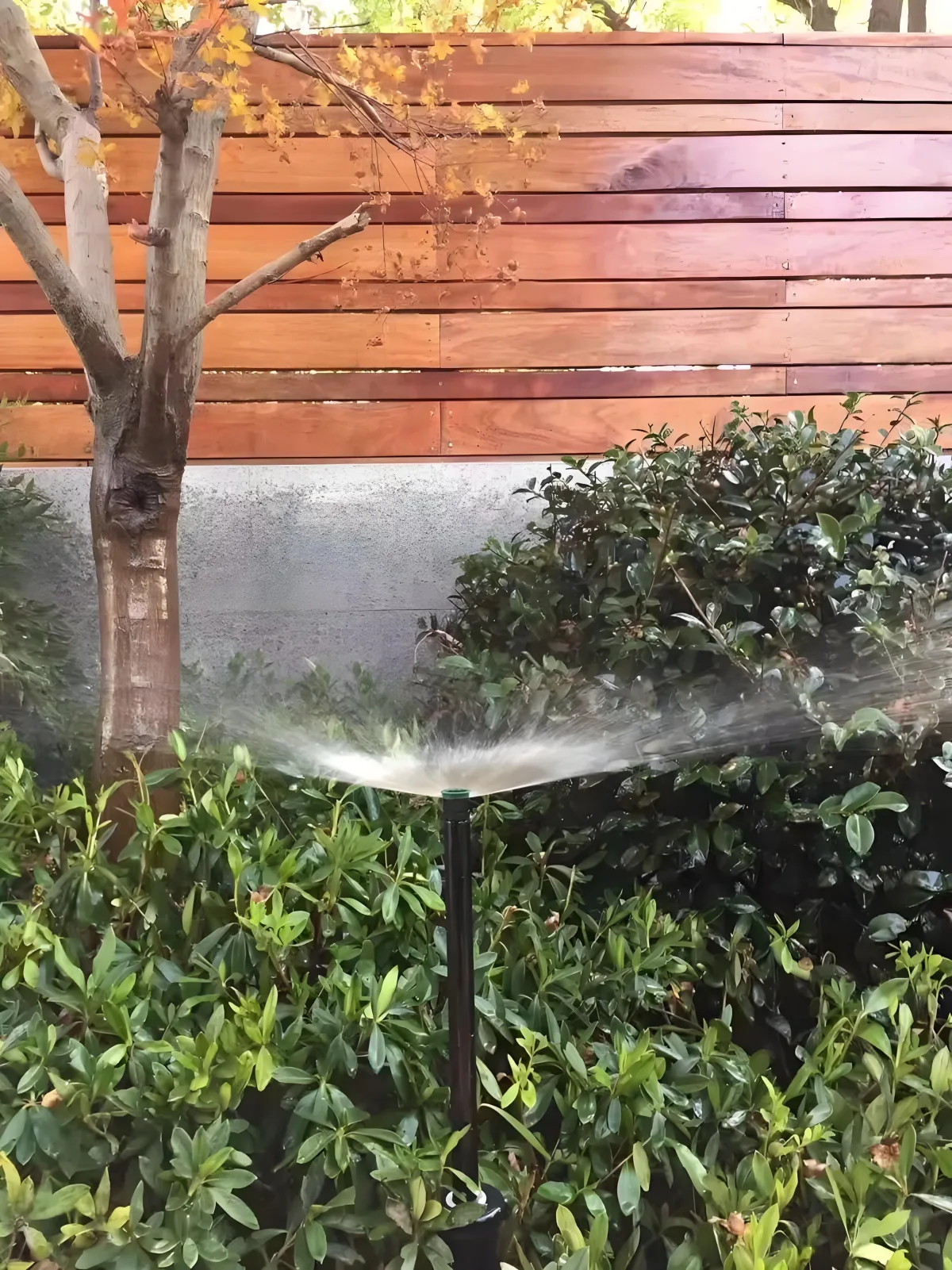
For walls, fences, and shrub zones, watering can be confined to the actual planting strip instead of the entire yard.
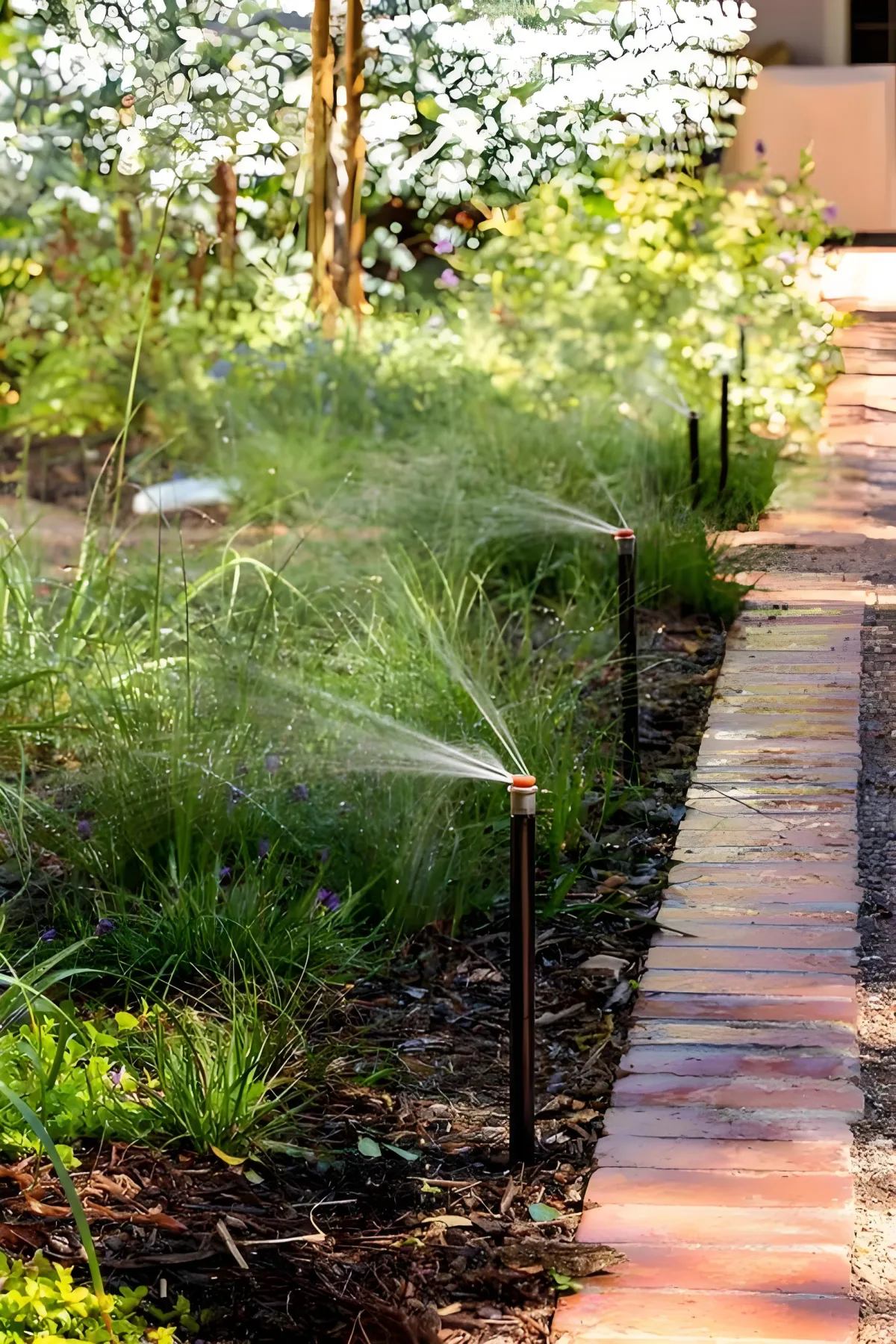
Long and narrow garden edges can be treated as separate zones, making maintenance easier and water use steadier.
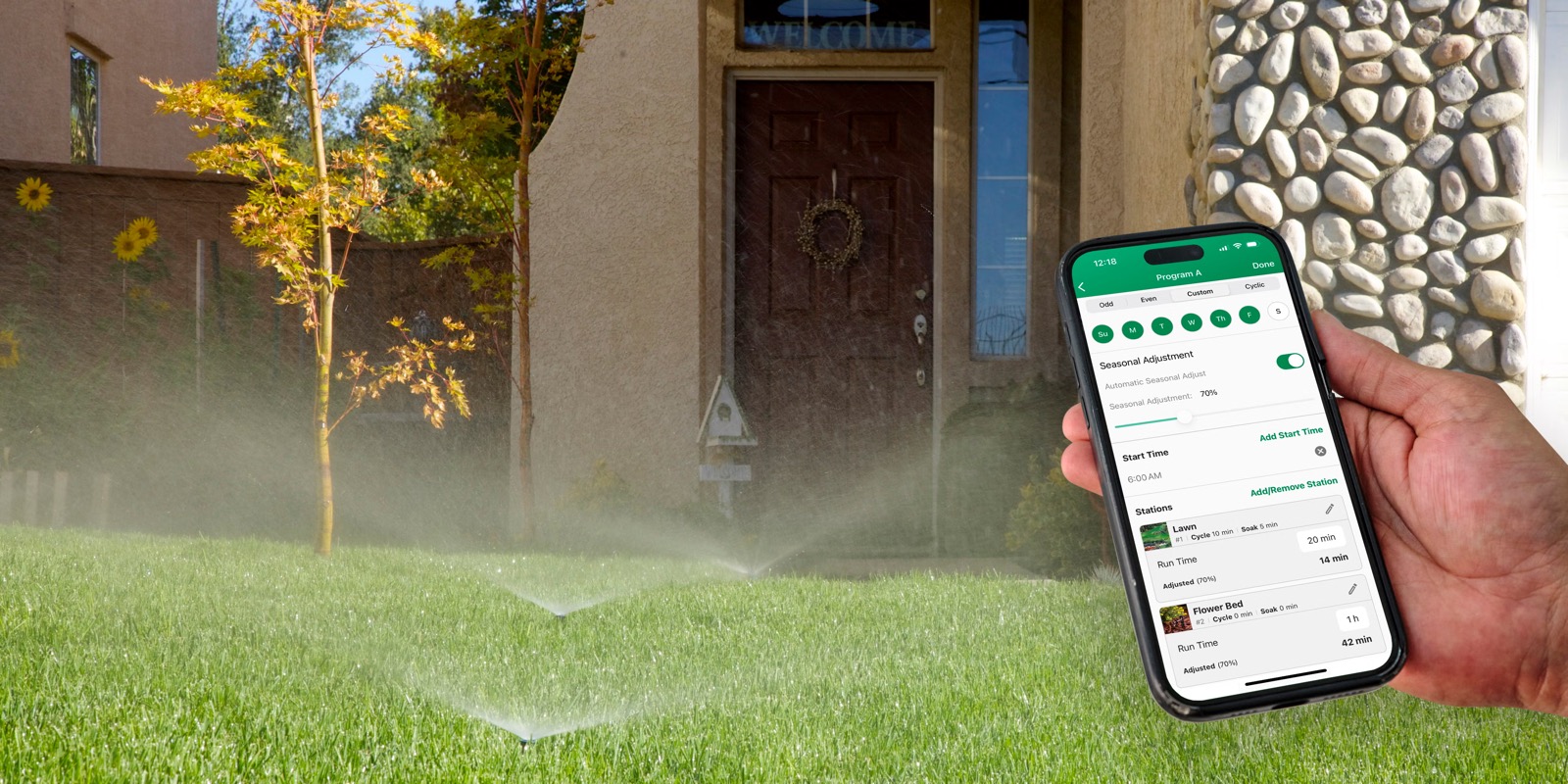
For front lawns and larger sprinkler zones, users can understand timing, zone order, and seasonal adjustments more clearly instead of repeatedly changing a fixed timer at the device.
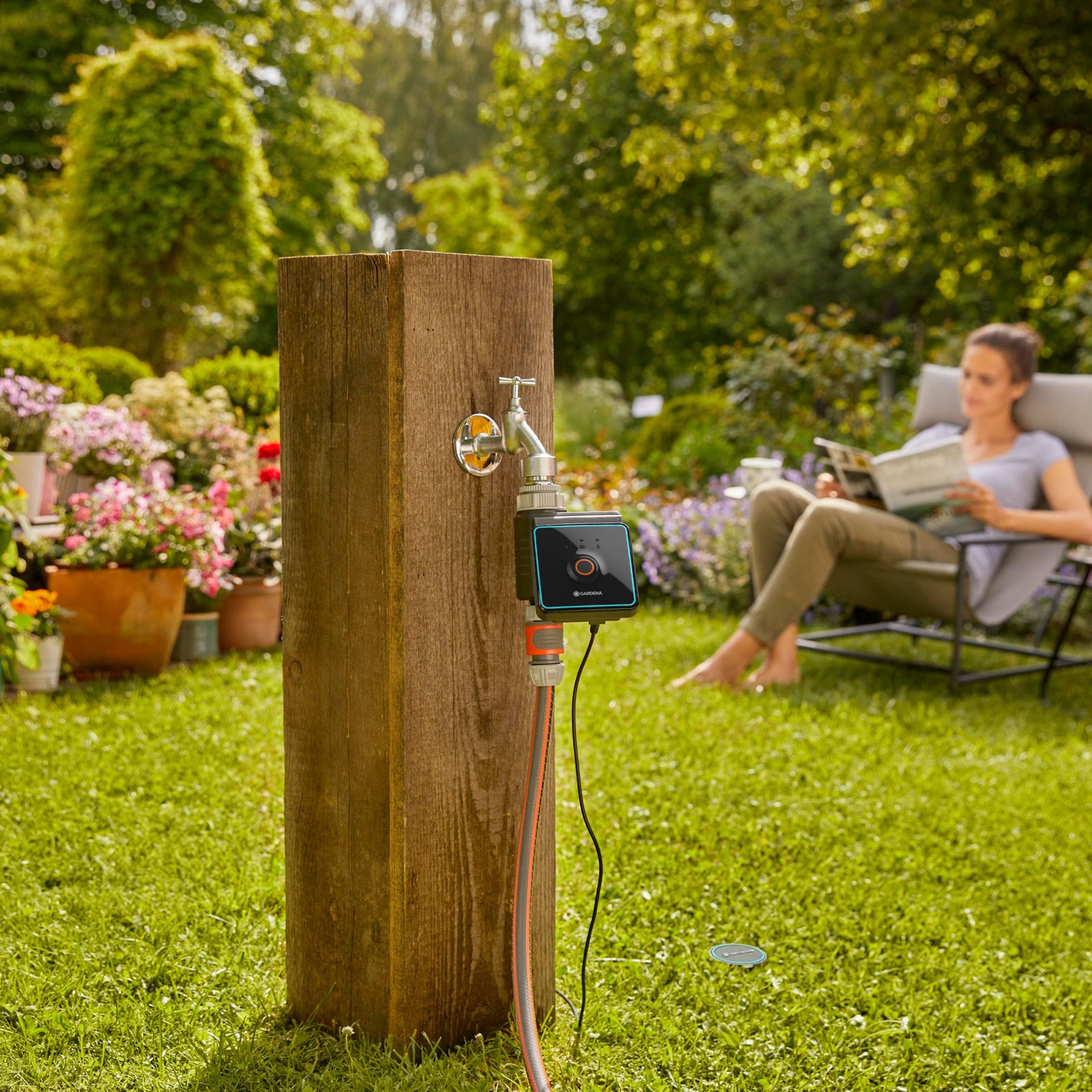
Many home gardens already have an outdoor tap or water post. That makes it easier to upgrade from manual switching to steadier automatic irrigation control.
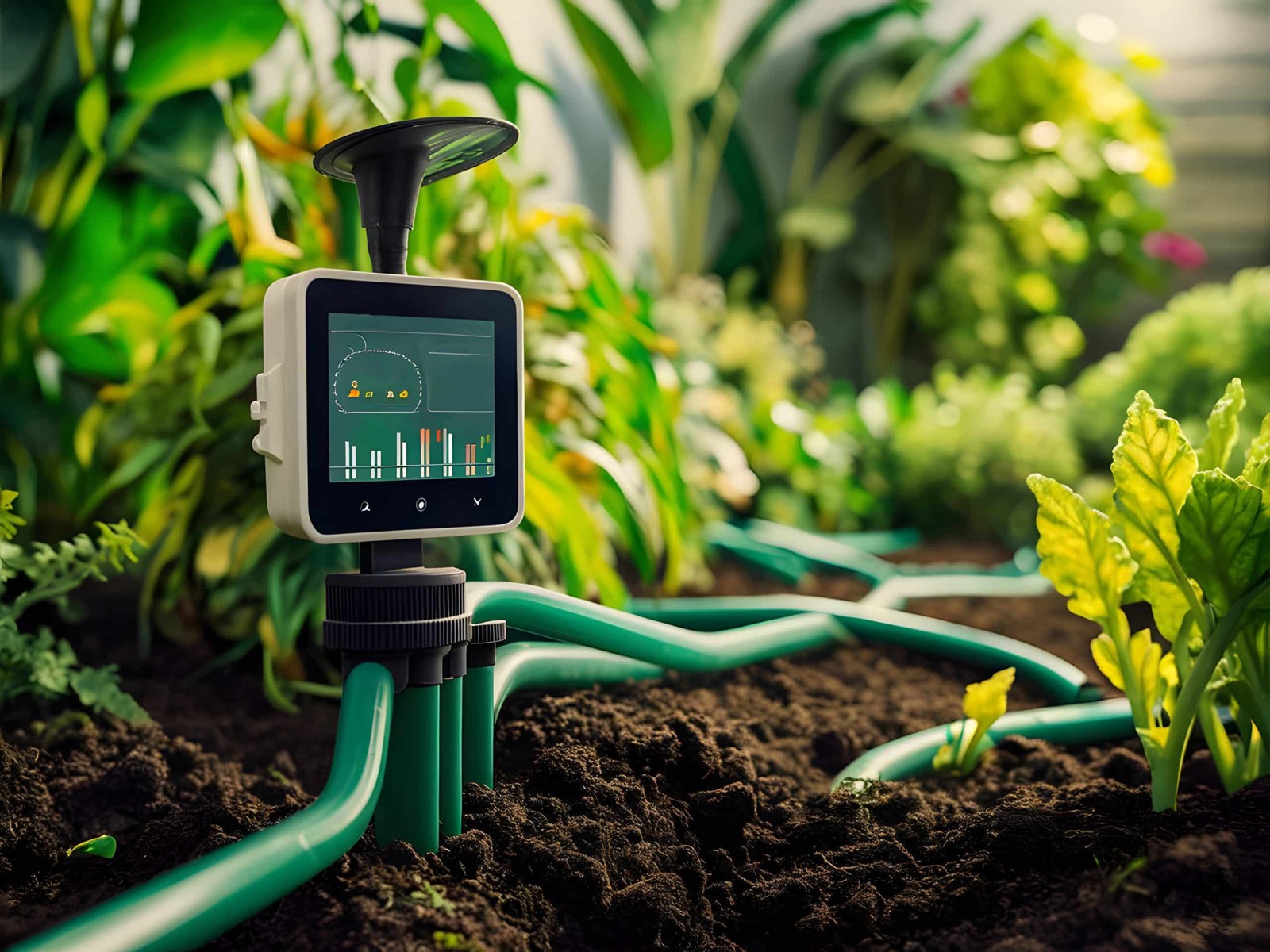
Beds with herbs, flowers, or mixed planting do not need to follow the same schedule as the whole yard. They can be watered more appropriately for their own condition.
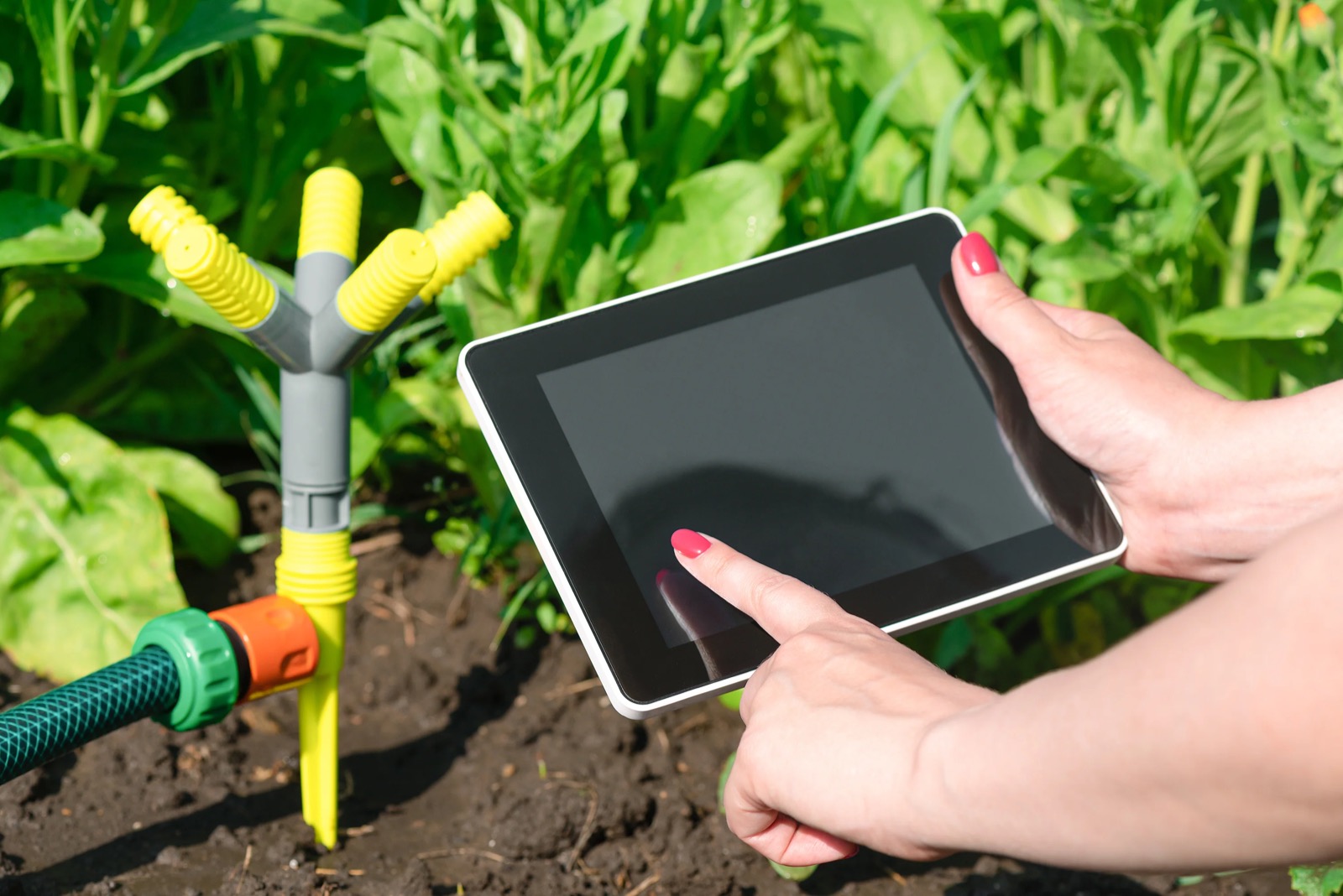
When a yard has several planting areas, users can understand and adjust zones more clearly instead of relying on one fixed watering routine.
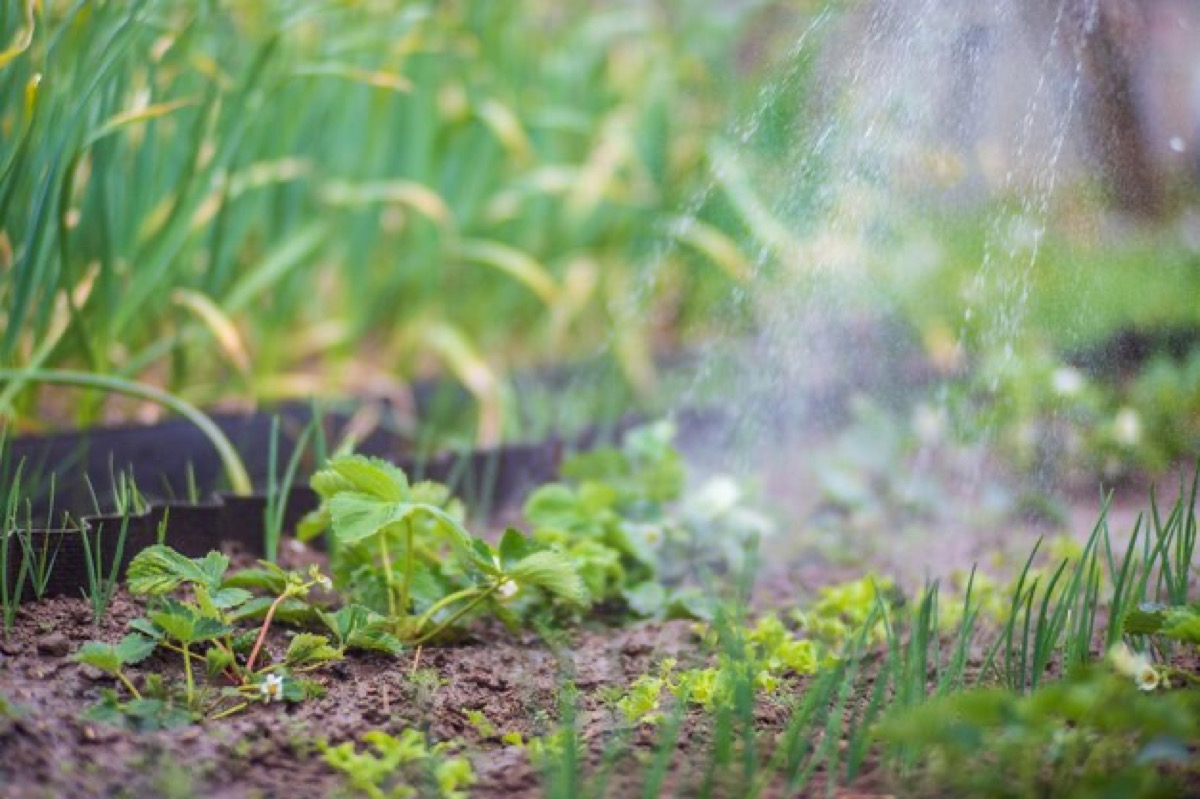
Kitchen gardens, strawberry beds, and smaller planting strips often benefit from gentler irrigation rather than one heavy watering rhythm.
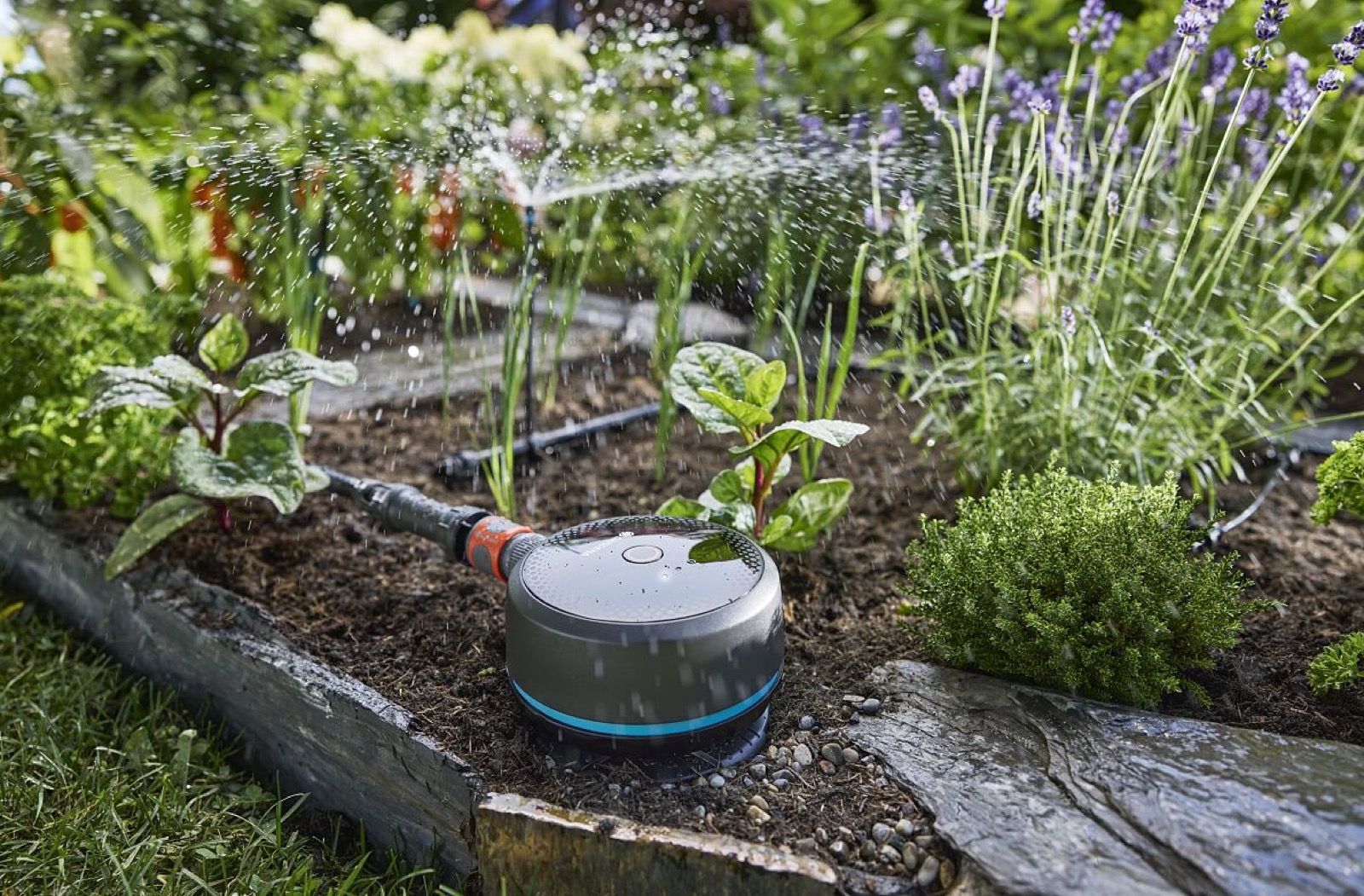
When current watering and garden status are easier to see, it becomes simpler to judge whether the yard is running well and whether adjustments are needed.
Rainy days, cooler weather, and faster or slower drying periods can still end up using the same watering plan.
Lawns, flower beds, shrubs, and path-side strips do not always need the same rhythm, but timer logic often treats them similarly.
As seasons change, users usually need to keep changing durations and schedules themselves.
Water may still be running, but the yard can look uneven, overwatered, or dry in the wrong places.
The system looks at soil, weather, and zone state first, then decides whether watering is needed now.
Lawns, flower beds, shrub borders, and narrow green strips can each use a better-matched watering rhythm.
Users do not need to keep remembering timing changes as often, so the yard is easier to manage.
It becomes easier to maintain more even lawn color, tidier edges, and a cleaner-looking yard over time.
| No. | Product | Qty | Image | Notes |
|---|---|---|---|---|
| 01 | Home smart controller | 1 |
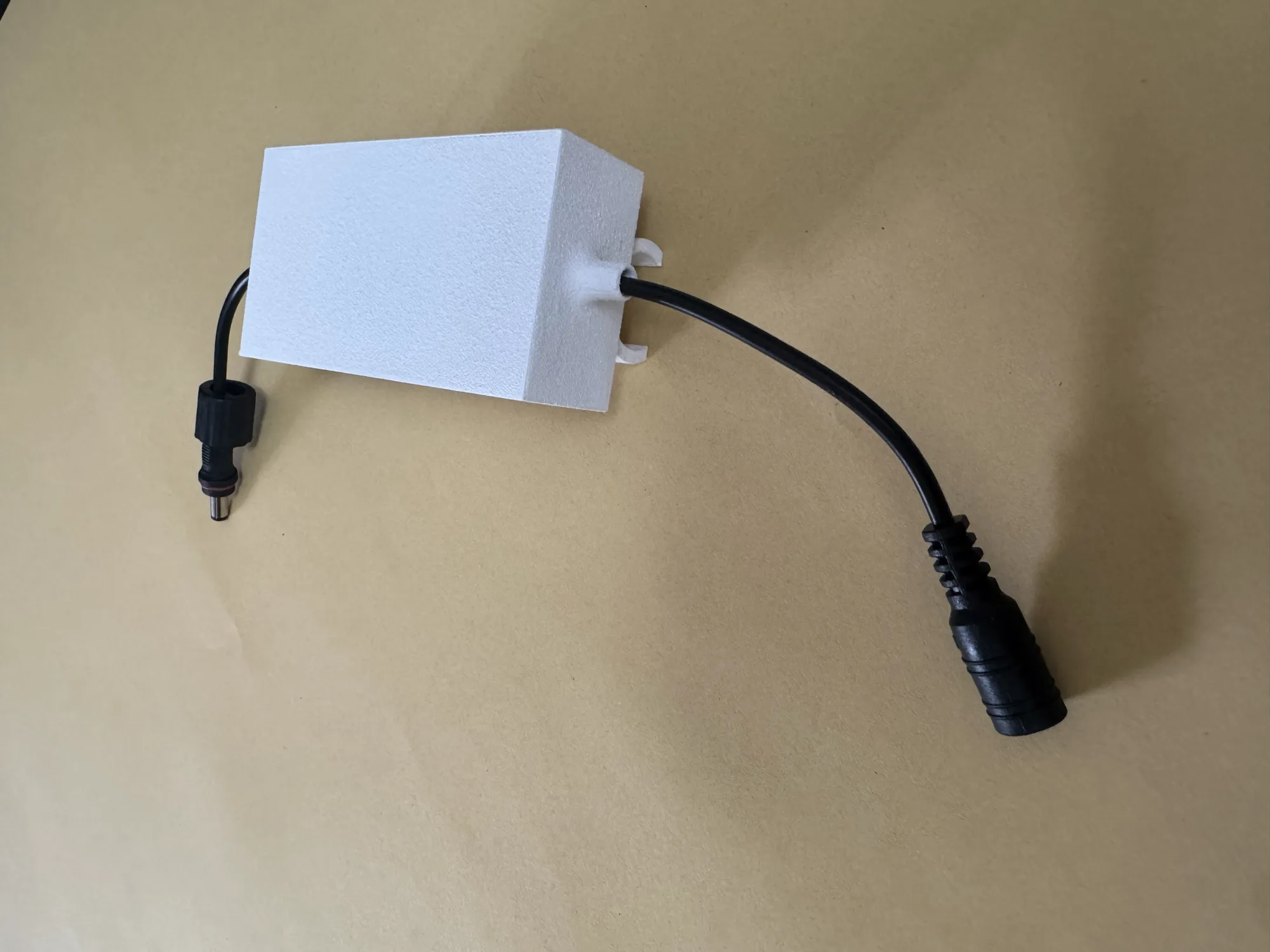
|
Handles networking, remote control, and status feedback. Available in single-zone or multi-zone versions. |
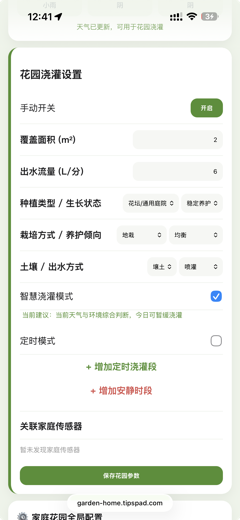
| 02 | Home app / remote center | 1 |
|
Available on the web and APK so family members can check status and switch irrigation remotely. |
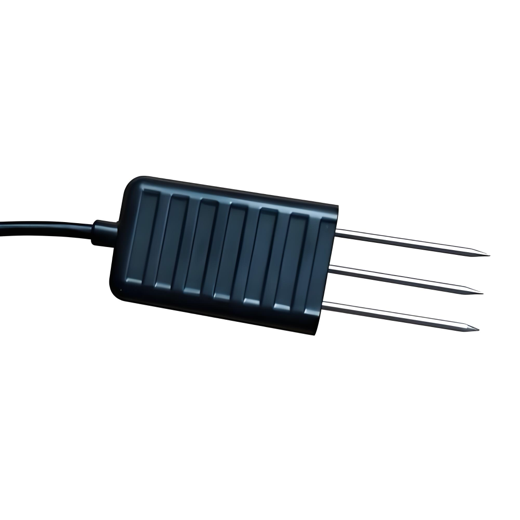
| 03 | Wireless soil temperature and humidity sensor | 1-2 |
|
At least one is recommended for basic monitoring in flowerbeds, lawns, or vegetable areas. |
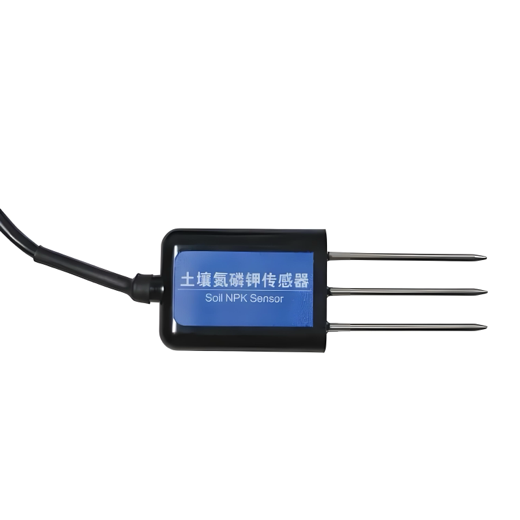
| 04 | Wireless soil NPK sensor | 1 |
|
Fits home gardens that need finer fertilizer management, such as fruit trees, vegetables, roses, or shrubs. |
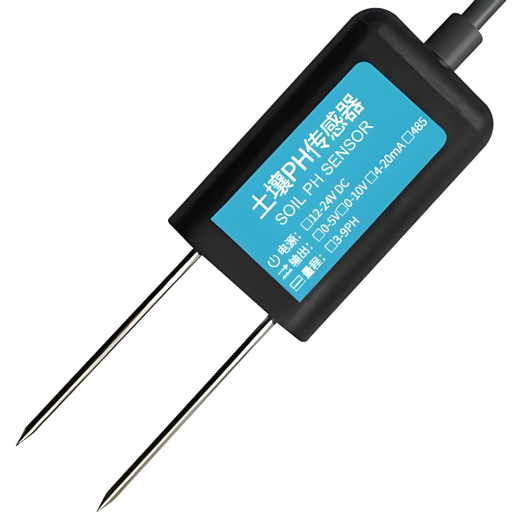
| 05 | Wireless soil pH sensor | 1 |
|
Useful for hydrangea, blueberry, camellia, and other plants that respond strongly to soil pH. |
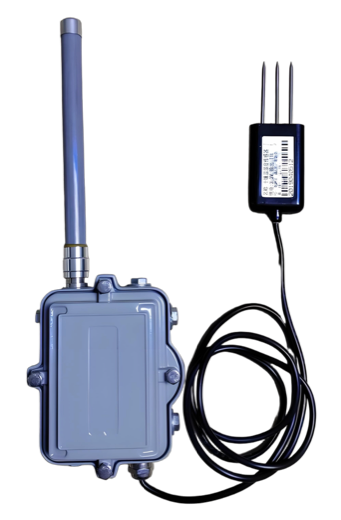
| 06 | Wireless soil moisture profile sensor | 1 |
|
Helps judge deeper moisture and reduces false decisions caused by wet surfaces but dry roots. |
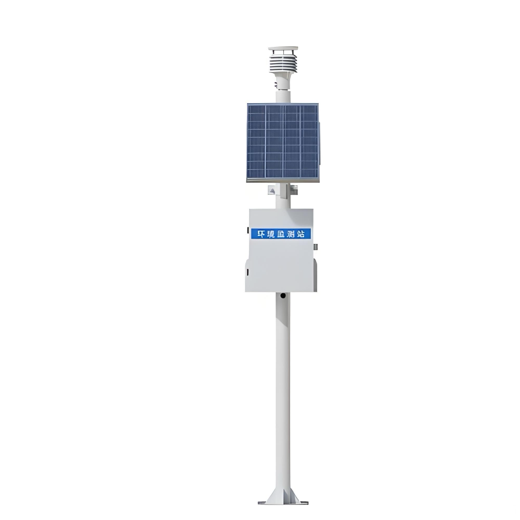
| 07 | Weather shelter station | 1 |
|
Monitors air temperature, humidity, light, and other conditions for more accurate irrigation suggestions. |
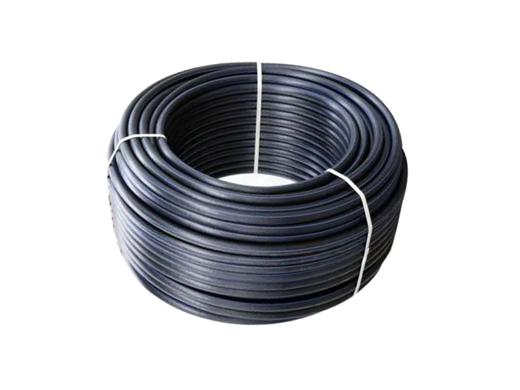
| 08 | PE main pipe | 30-80 m |
|
Acts as the main supply line, with length based on yard layout and valve-box placement. |
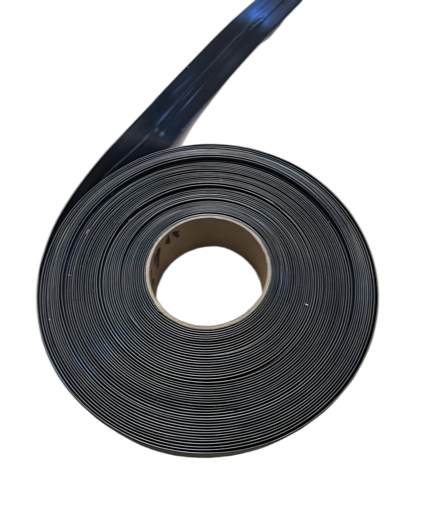
| 09 | Drip irrigation tubing | 50-200 m |
|
Best for flowerbeds, vegetables, and fruit-tree roots where slow watering is more efficient and gentle. |
| 10 | Spray irrigation tubing | 20-80 m |
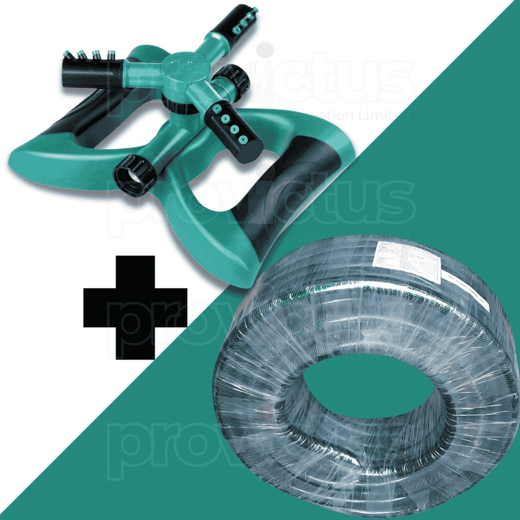
|
Fits lawns and larger planting zones, usually paired with micro-sprayers or mist nozzles. |
| 11 | Emitters / spray nozzles | 20-80 pcs |
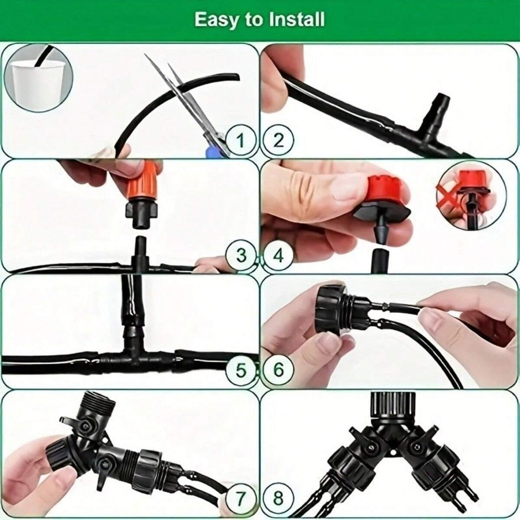
|
Chosen by plant count and spray radius, and they play a major role in watering uniformity. |
| 12 | Fittings and branch kit | 1-2 sets |
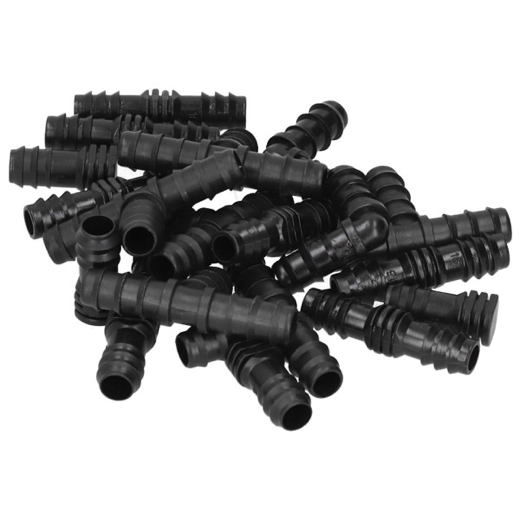
|
Includes tees, elbows, quick connectors, end caps, and other parts that are frequently used during installation. |
| 13 | Filter + pressure regulator | 1 |
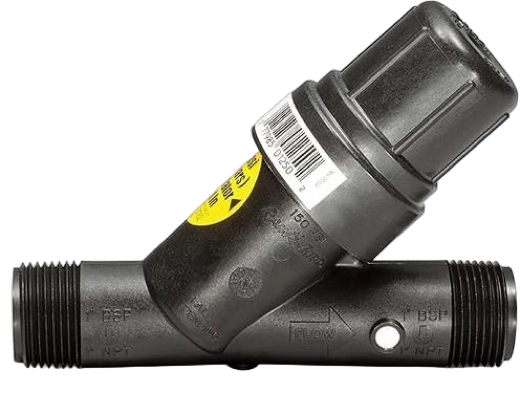
|
Greatly reduces clogging risk and is a key part of long-term stability in home irrigation. |
| 14 | 24V solenoid valve | 1-4 pcs |
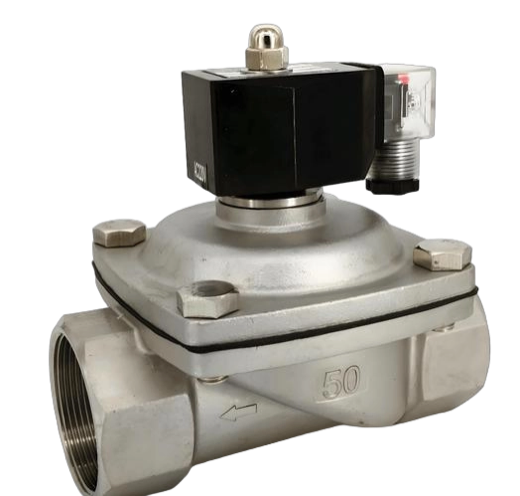
|
Usually one per irrigation zone, determining whether different areas can run independently. |
| 15 | 220V to 24V power adapter | 1 |
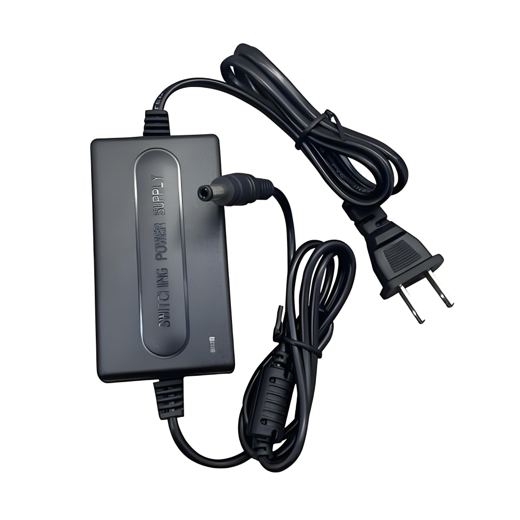
|
Powers the controller and valves. Keeping at least 20% power headroom is recommended. |
| 16 | Fertilizer injector | 1 |
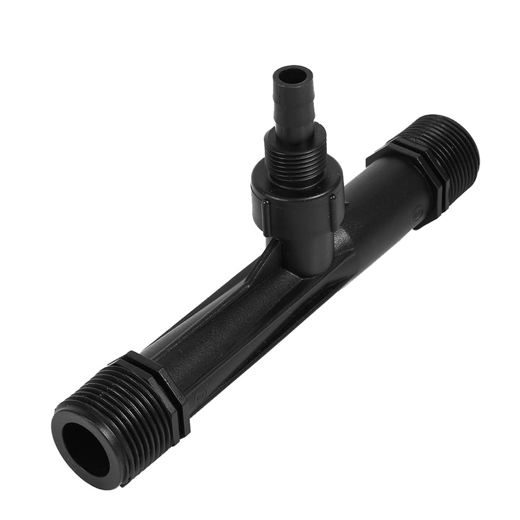
|
A Venturi injector is common for home use and works well for vegetables, flowers, and fruit plants. |
| 17 | Valve box / waterproof box | 1 |
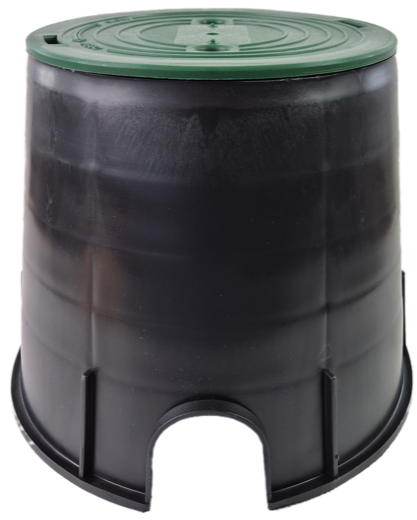
|
Protects valves, wiring, and joints. It is strongly recommended for outdoor installations. |
| 18 | Cables and installation supplies | 1 |
|
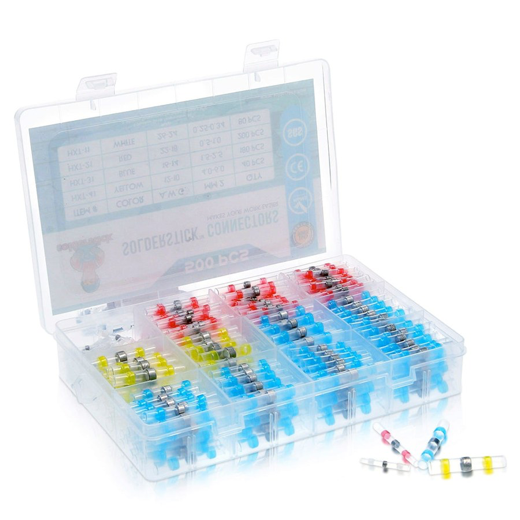
Includes waterproof connectors, cable ties, PTFE tape, clips, brackets, and other common installation supplies. |
Designed for courtyards, balconies, kitchen gardens, and home fruit trees. It makes irrigation decisions from soil status, weather changes, and zone differences.
Suitable for orchards, greenhouses, and farmlands. It combines stable zone control, status monitoring, and baseline AI decisions.
Built for greenhouses and complex growing sites. It supports more sensors, broader device expansion, and flexible orchestration decisions.
A professional field irrigation platform that binds nodes to parcels, combines multi-sensor data, and controls pulse solenoid valves for on-demand irrigation.
A web experience for remote users to try web search, Lua scripting, hardware action planning, schedulers, message routing, memory, and file workflows.
The core capability is AI irrigation decision-making. It uses soil, weather, device, and zone status to decide when and how much to irrigate.
Timer-based irrigation runs by schedule. Yuantuo runs by real conditions and can adjust to weather and soil changes to reduce over- and under-watering.
Home gardens, orchards, greenhouses, agricultural bases, and smart spaces. Users can choose home, standard agriculture, advanced agriculture, or smart-space editions.
Type and send your question in the chat box. The system can hand off to a human consultant for real-time follow-up.
Sales: sales@yuantuo.com
Marketing: market@yuantuo.com
Technical Support: support@yuantuo.com
Phone: 0086 13115010151
Address: Room 207, Jinmao Lingyu, Mengze Road, Pukou National High-Tech Zone, Nanjing, Jiangsu, China
If you already know your lawn, flower bed, or planting-zone layout, you can start from a simple consultation and quickly understand which kind of home irrigation setup fits better.
Yuantuo decides whether to irrigate now, how much, and which zone first.